
Keeping track of weapons is a big deal, right? Especially for folks in law enforcement or the military. Things used to be done with clipboards and pens, which, let’s be honest, led to a lot of headaches and misplaced gear. Now, there’s a better way. We’re talking about using RFID, which is basically radio waves, to keep tabs on everything. This RFID weapon tracking system stuff is changing how armories operate, making things faster and way more secure. It’s a pretty neat upgrade from the old ways.
Key Takeaways
- An RFID weapon tracking system uses radio waves to automatically log weapons in and out, cutting down on manual work.
- This technology helps speed up daily tasks like shift changes and training audits significantly.
- Choosing the right RFID tags is important because weapons are often metal and used in tough environments.
- RFID systems offer better visibility and accountability, meaning you always know where each weapon is.
- These systems are becoming standard for law enforcement and military, improving overall security and efficiency.
Revolutionizing Weapon Management with RFID Technology
The Imperative for Advanced RFID Weapon Tracking Systems
Look, keeping track of weapons used to be a real headache. Think stacks of paper, manual checks, and a whole lot of guesswork. This is especially true for military and law enforcement where every single firearm needs to be accounted for, all the time. Traditional methods just don’t cut it anymore. They’re slow, prone to mistakes, and frankly, not secure enough for today’s world. We need something better, something that can keep up with the pace of operations and provide a clear picture of where everything is, at any given moment. That’s where RFID technology steps in, changing the game entirely. It’s not just about knowing you have all your weapons; it’s about knowing exactly which ones, where they are, and who last had them, without breaking a sweat.
Transforming Daily Operations and Training Audits
Imagine shift changes. Instead of armorers spending ages counting and recounting, RFID readers can instantly verify that all weapons are back in their designated spots. If something’s off, an alert pops up right away. This saves so much time and hassle. And training? It gets a whole lot simpler too. You can scan weapons even when they’re still packed away, turning what used to be a multi-day job into something you can do in an hour. It makes managing equipment for drills and exercises way more efficient.
Here’s a quick look at how it speeds things up:
- Shift Changes: Instant verification of weapon returns.
- Inventory Checks: Rapid confirmation of all assets.
- Training Readiness: Quick scanning of weapons before drills.
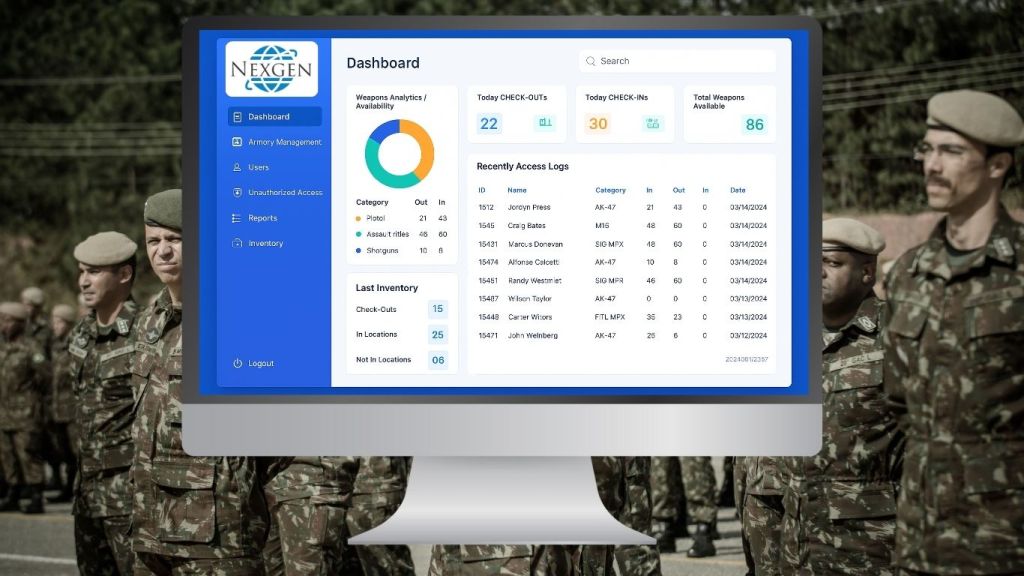
Ensuring Real-Time Visibility and Accountability
With RFID, you get a live feed of your weapon inventory. This means you always know what’s where. It builds a solid chain of custody, logging every time a weapon is moved or accessed. This level of detail is vital for security and makes sure everyone is held accountable for the equipment they handle. It’s like having a digital guardian for your entire arsenal, watching over it 24/7.
The shift from manual record-keeping to an automated RFID system means fewer errors and a much clearer picture of asset status. This isn’t just about convenience; it’s about bolstering security and operational readiness when it matters most.
Overcoming Challenges in RFID Weapon Tracking Implementation
So, you’re thinking about getting an RFID system for tracking weapons. That’s a smart move, but it’s not exactly plug-and-play. There are definitely some hurdles to jump over to make sure it actually works well in the real world.
The Critical Importance of RFID Tag Selection
Picking the right RFID tag is a big deal. It’s not just about slapping a sticker on a rifle. Weapons are made of metal, they have moving parts, and they get banged around. You need tags that can handle all that. Plus, where you put the tag matters. You don’t want it sticking out where it could be seen or get caught on something. And forget about tags that fall off after a few uses; these need to be tough.
Addressing Environmental and Operational Demands
Think about where these weapons are used. We’re talking about dusty ranges, humid armories, maybe even extreme cold or heat. The tags and the readers need to keep working no matter what. You also have to consider how the weapons are stored and moved. Are they in cabinets? Cases? On racks? The system has to be able to read the tags reliably in all those situations. It’s a bit like trying to get a Wi-Fi signal through a thick concrete wall – sometimes the signal just doesn’t get through easily.
Ensuring Durability and Compatibility for Military-Grade Use
This isn’t your average retail inventory. We’re talking about equipment that might be dropped, exposed to cleaning solvents, or subjected to the shock of firing. The tags need to survive this. They can’t interfere with the weapon’s function, and they need to be small enough not to get in the way. Compatibility is also key. Will the tags work with existing weapon systems? Will the readers talk to your current inventory software? Getting these details right upfront saves a lot of headaches down the road.
Making sure the technology fits the environment and the equipment is half the battle. It’s about finding that sweet spot where advanced tech meets gritty reality without breaking a sweat.
The Future of Security: RFID Weapon Tracking Systems
Why RFID Is the Future of Weapons Tracking
Look, keeping track of weapons has always been a big deal, right? For ages, it was all about clipboards and scribbled notes. That’s fine for a small collection, but for a military base or a busy police department? It’s a recipe for trouble. Mistakes happen, things get misplaced, and honestly, it takes forever. RFID technology is changing all of that, making weapon management smarter and way more reliable. It’s not just about knowing where your guns are; it’s about having a clear, instant picture of everything, all the time. This system uses little tags on each weapon that talk to readers placed around the armory or storage areas. When a weapon moves, the system knows. It’s that simple.
Enhancing Security and Compliance Through Automation
Manual processes are just begging for errors. Think about shift changes – trying to verify every single rifle and sidearm by hand? It’s a drain on time and resources. With RFID, those checks happen automatically. When a weapon is returned, the system registers it instantly. If something’s missing, you get an alert right away, cutting down on frantic searches. This level of automation also makes audits a breeze. Instead of unpacking every case, readers can scan tags through containers, turning a multi-day job into something you can do in an hour. This means better security because you know exactly what you have, and it helps meet all those strict compliance rules without the usual headaches. It’s about making sure everything is accounted for, every single time, which is pretty important when you’re dealing with firearms. You can find out more about how RFID significantly enhances weapons and arms management.
Scalability for Diverse Military and Law Enforcement Needs
One of the best things about RFID is that it grows with you. Whether you’re a small local police department or a massive military installation with multiple armories spread out, the system can be set up to fit. You can start with a basic setup and add more readers or tags as your needs change. It’s not a one-size-fits-all deal. This flexibility means you get a system that works for your specific situation, from tracking a few handguns to managing thousands of pieces of equipment. It’s about building a security infrastructure that can handle whatever comes your way, now and in the future. The weapon tracking system can track weapons as they move between armories or training sites, keeping tabs in real time. This automatic logging creates a clear record of who took what and when, without extra paperwork.

The shift from manual record-keeping to automated RFID tracking isn’t just an upgrade; it’s a fundamental change in how we approach security and accountability for firearms. It removes the guesswork and human error, providing a level of certainty that was previously unattainable.
Key Benefits of an RFID Weapon Tracking System
Implementing an RFID system for tracking weapons brings a whole host of advantages that really streamline how things are done. It’s not just about knowing where your gear is; it’s about making operations smoother and a lot more reliable.
Accelerating Operations and Inventory Processes
Forget those long hours spent manually counting weapons or checking them in and out. RFID technology speeds this up dramatically. Think about shift changes or preparing for training exercises. What used to take ages can now be done in minutes. When a weapon is returned, the RFID tag is read automatically, logging the transaction instantly. This means less waiting around and more time for actual work.
- Rapid Check-in/Check-out: Officers can issue and return weapons with a quick scan, cutting down queues and delays.
- Instant Inventory Audits: Get a real-time count of all weapons without physically touching each one.
- Faster Deployment Prep: Quickly verify that all necessary weapons are accounted for before a mission or exercise.
Achieving Complete Accountability and Chain of Custody
Knowing exactly who had which weapon and when is super important for security and investigations. RFID systems create an automatic, tamper-proof record of every movement. This detailed log shows the complete history of a weapon, from issuance to return, and who was responsible at each step. This level of traceability is a game-changer for maintaining strict control.
| Event | Recorded Information |
|---|---|
| Weapon Issuance | Officer ID, Weapon ID, Timestamp, Location |
| Weapon Return | Officer ID, Weapon ID, Timestamp, Location |
| Maintenance Check | Technician ID, Weapon ID, Date, Work Performed |
| Inventory Audit | System ID, Timestamp, Discrepancy Report (if any) |
Eliminating Manual Errors for Improved Data Integrity
Human error is a big problem with manual tracking. Miswritten serial numbers, forgotten entries, or lost paperwork can lead to serious issues. RFID takes the human element out of data entry for most transactions. By using automated scanning, the system captures accurate information every time. This means fewer mistakes, more reliable data, and a much stronger security posture.
The shift from manual record-keeping to automated RFID tracking significantly reduces the risk of lost or misplaced weapons. It provides a clear, digital trail that is much harder to falsify or overlook, making it a more secure method for managing sensitive assets.
This improved accuracy helps with everything from inventory management to compliance reporting, giving you confidence in your data.
Real-World Applications of RFID Weapons Management
You see RFID tech isn’t just some futuristic idea; it’s already out there, making a real difference in places where keeping track of weapons is super important. Think about it – these systems are being used right now by folks who need absolute certainty about where their firearms are, all the time.
Law Enforcement Agency Deployments
Police departments are using RFID to manage their armories. When an officer needs a service weapon, they scan their badge and the weapon’s tag. The system logs who took what, and when. It’s way faster than writing things down, and it means no more guessing if all the guns are accounted for at the end of a shift. Supervisors can see at a glance what’s available, which is a big deal when every second counts. Plus, all that automatic logging makes audits a breeze.
Military Bases and Defense Installations
On military bases, the stakes are even higher. RFID helps track everything from rifles to heavy machine guns across different units and storage areas. Imagine a large base – knowing exactly where each weapon is, especially during training or when moving equipment, is a massive logistical challenge. RFID portals at doorways can automatically register when a weapon moves, and handheld scanners can do quick inventory checks. This helps spot any unauthorized movements right away and keeps a solid record for inspections.
Training Academies and Firing Ranges
Even places focused on training are getting in on this. At shooting ranges and academies, instructors can use RFID to issue weapons to students. The system makes sure the right weapon goes to the right person for the right training session. It speeds up the whole process of getting people set up to shoot, and it keeps a record of weapon usage. This can even help with knowing when a particular firearm might need maintenance based on how much it’s been used.
Keeping track of firearms is a serious business. RFID systems take a lot of the guesswork and potential for human error out of the equation, which is exactly what you need when dealing with sensitive equipment. It’s about making sure the right people have the right tools, and that those tools are always accounted for.
Advancing Military Logistics with RFID
When we talk about military logistics, we’re really talking about the backbone of any successful operation. Getting the right gear, to the right place, at the right time – it’s a massive undertaking. That’s where RFID technology steps in, making things a whole lot smoother.
Real-Time Tracking and Monitoring of Military Assets
Imagine knowing exactly where every piece of equipment is, from a rifle in a soldier’s hand to a tank miles away. RFID makes this possible. By attaching small tags to assets, we can track their location and status in real-time. This isn’t just about knowing if something is missing; it’s about having a clear picture of what’s available and where it is, which helps in planning and deployment.
- Improved Situational Awareness: Commanders get a live view of all assets.
- Reduced Loss and Theft: Real-time tracking makes it harder for items to disappear.
- Faster Deployment: Knowing asset locations speeds up the process of getting them where they need to be.
Streamlining Logistics and Maintenance Schedules
Logistics isn’t just about moving things; it’s also about keeping them in working order. RFID tags can store maintenance history and upcoming service needs. When a piece of equipment is scanned, its maintenance status is instantly visible. This allows for predictive maintenance, meaning we can fix things before they break down, which is a huge deal for keeping vehicles and gear ready for action.
Proactive maintenance, driven by RFID data, significantly cuts down on unexpected equipment failures. This means less downtime and more readiness when it counts.
Here’s a look at how it helps with maintenance:
- Automated Service Reminders: Tags trigger alerts when maintenance is due.
- Predictive Repairs: Data analysis can forecast potential issues.
- Efficient Servicing: Technicians know exactly what needs to be done upon scanning.
Integrating RFID with Emerging Technologies
RFID isn’t working in a vacuum. It’s designed to play nicely with other advanced systems. Think about connecting RFID data to AI platforms. This allows for smarter analysis of logistics patterns, helping to optimize supply routes, predict demand, and even identify potential bottlenecks before they become problems. It also works well with existing inventory management software, making the transition smoother and the data more useful.
- AI-Powered Optimization: Smarter route planning and resource allocation.
- ERP Integration: Connects seamlessly with existing inventory and financial systems.
- Enhanced Data Analytics: Provides deeper insights into operational efficiency.
Looking Ahead
So, we’ve talked a lot about how RFID is changing the game for tracking weapons. It’s not just about making things faster, though that’s a big plus. It’s really about making sure everything is accounted for, cutting down on those annoying human errors that can happen with old-school methods. Think about those shift changes or training days – what used to take ages can now be done in a fraction of the time. Plus, knowing exactly where every weapon is, all the time, just makes things a whole lot more secure. As technology keeps moving forward, systems like these are going to become even more important for keeping our forces safe and operations running smoothly. It’s a smart move for any armory looking to stay ahead.