
Keeping track of firearms, gear, and ammo is a big job for police, sheriff departments, and corrections. Old ways of doing things, like paper logs, just don’t cut it anymore. They’re slow, easy to mess up, and can lead to serious problems if something goes wrong. That’s where weapon management software comes in. It’s a modern solution to make sure everything is accounted for, secure, and ready when officers need it. This isn’t just about being organized; it’s about making sure everyone is safe and that departments can do their jobs right.
Key Takeaways
- Weapon management software helps agencies keep a clear record of every firearm, making sure nothing gets lost or misused. This boosts accountability.
- Automating tasks like checking weapons in and out saves time for officers and staff, letting them focus on more important duties.
- Using technology like RFID and biometrics makes armories more secure and helps track weapons in real-time.
- Data from weapon management systems can show how equipment is used, what maintenance is needed, and help departments make smarter decisions about resources.
- While there are costs and challenges to setting up new systems, the long-term benefits in efficiency and security make weapon management software a smart investment for any agency.
Enhancing Accountability Through Weapon Management Software
Keeping track of every firearm and piece of equipment is a big job, and honestly, relying on paper logs or basic spreadsheets just doesn’t cut it anymore. It’s easy for mistakes to happen, and when you’re dealing with law enforcement tools, those mistakes can have serious consequences. Modern weapon management software is designed to fix that, making sure everyone knows exactly where every weapon is and who’s responsible for it.
Ensuring Complete Firearm Traceability
Knowing the exact location and status of every firearm is non-negotiable. A good system provides a clear history for each weapon, from the moment it enters the armory to its eventual retirement. This means you can instantly see which officer is assigned a specific firearm, when it was last checked out, and when it’s due back. This level of detail is vital for maintaining a secure and responsible inventory. It helps prevent weapons from going missing and provides a clear audit trail if any issues arise. Think of it like a digital fingerprint for every gun, making sure nothing gets lost in the shuffle. You can find out more about tracking solutions from companies like NexGenIoT.
Streamlining Officer Readiness Checks
Officers need to be ready to go at a moment’s notice, and that includes having the right gear and certifications. Weapon management software simplifies the process of checking if an officer is cleared to carry a weapon. It can automatically flag officers whose certifications are expired or who have restrictions, preventing them from being issued a firearm they shouldn’t have. This saves time during busy shift changes and reduces the risk of errors. It’s about making sure the right person has the right tool, every time.
Mitigating Risks of Misplaced or Mismanaged Weapons
When weapons aren’t properly accounted for, the risks multiply. Misplaced firearms can fall into the wrong hands, leading to potential misuse, legal trouble, and a serious blow to public trust. A robust management system acts as a safeguard. By automating check-in and check-out procedures and providing real-time inventory data, it significantly lowers the chances of a weapon being misplaced or falling outside of authorized control. This proactive approach helps protect both the agency and the community it serves.
The shift from manual record-keeping to digital systems isn’t just about convenience; it’s about building a more secure and transparent environment for everyone involved. It means less time spent searching for paperwork and more time focused on the critical tasks of policing and public safety.
Boosting Operational Efficiency With Modern Armory Solutions
Let’s face it, managing an armory can feel like a constant juggling act. Keeping track of every firearm, piece of gear, and round of ammo manually is a huge drain on resources. Modern armory solutions are here to change that, making things run a lot smoother and freeing up personnel for more important tasks. These systems automate the tedious stuff, so your team can focus on what really matters.
Automating Inventory and Check-Out Processes
Forget clipboards and endless spreadsheets. Smart systems use things like barcode scanning or RFID tags to track exactly what’s where. When an officer needs a weapon, they check it out through the system, and when they return it, it’s logged back in just as easily. This cuts down on errors and makes sure you always know the status of your inventory. It’s a big step up from the old way of doing things.
Reducing Administrative Burden on Personnel
Think about all the hours spent on paperwork, inventory checks, and tracking down missing items. With automated systems, that burden gets lifted. Officers spend less time in the armory and more time on patrol or training. This isn’t just about saving time; it’s about making sure your team is deployed effectively. A system like NexGenIOT can help transform these real-time data points into actionable insights for your agency.
Facilitating Rapid Equipment Location
When seconds count, you don’t have time to search high and low for a specific rifle or piece of equipment. Modern armory software provides real-time visibility. Need to know where all the issued shotguns are right now? The system can tell you in an instant. This quick access is vital for responding to incidents and ensuring officers have the tools they need, when they need them. It’s about having the right gear, right where it’s supposed to be.
Here’s a quick look at how automation helps:
- Faster Check-Out/Check-In: Reduces wait times significantly.
- Accurate Inventory: Minimizes discrepancies and lost items.
- Reduced Paperwork: Frees up personnel for core duties.
- Real-Time Status: Always know what equipment is available or assigned.
Implementing these modern solutions isn’t just about upgrading technology; it’s about rethinking how an armory operates. It’s about creating a more efficient, less error-prone environment that supports the agency’s mission.
Strengthening Security Protocols With Advanced Tracking
When it comes to keeping track of firearms, just knowing where they should be isn’t always enough. Modern armories and security agencies need systems that actively monitor and control weapon movement. This is where advanced tracking technologies really step in, making sure weapons are where they’re supposed to be, and only in the hands of authorized people.
Implementing Real-Time Weapon Monitoring
Think of real-time monitoring as having eyes on your weapons at all times. It’s not just about logging who checked out a rifle; it’s about knowing its status and location right now. This means immediate alerts if a weapon leaves a designated area or isn’t returned on time. This kind of constant oversight helps prevent theft and misuse before it even becomes a problem. It gives commanders and security staff live data, which is pretty important when you’re dealing with sensitive equipment. You get instant notifications about any unauthorized movement or delays in returns, and you can instantly see who has what, when, and why.
Integrating Biometric and RFID Access Controls
To really lock down security, you need layers. Combining biometric scanners (like fingerprint readers) with RFID technology is a smart move. This means only verified personnel can even get near the weapons. Each weapon can be tagged with an RFID chip, and that tag is linked to an officer’s ID card or their biometric data. So, when someone accesses a weapon, the system logs exactly who it was, which weapon, and at what time. It creates a clear chain of custody. Smart key and weapons lockers are a great example of this, making sure only authorized people can access items and meticulously logging every interaction.
Establishing Geo-Fencing for Movement Restrictions
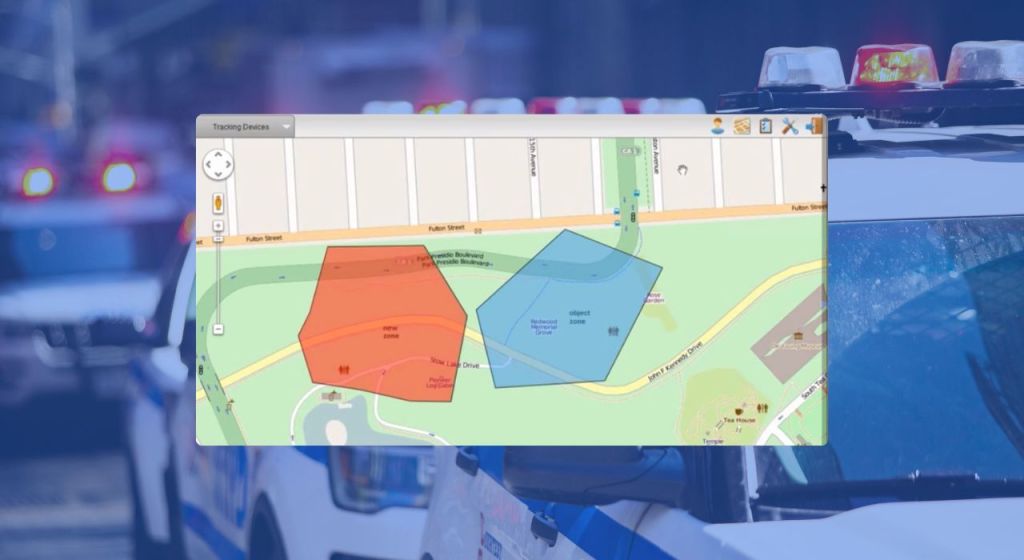
Geo-fencing takes security a step further by creating virtual boundaries. You can set up specific zones where weapons are allowed to be. If a weapon, or its RFID tag, crosses one of these virtual lines without authorization, the system sends out an alert. This is super useful for preventing weapons from being taken into unauthorized areas or for tracking them if they’re deployed in the field. It adds a proactive layer of control, stopping potential issues before they escalate.
Here’s a quick look at how these systems work together:
- Biometric/PIN Access: Verifies the individual trying to access the armory.
- RFID Tagging: Identifies the specific weapon being accessed.
- Geo-Fencing: Restricts movement to pre-approved zones.
- Real-Time Alerts: Notifies security of any unauthorized activity or boundary breaches.
Implementing these advanced tracking methods means moving beyond simple inventory checks. It’s about building a dynamic security posture that actively monitors and controls your assets, reducing risks associated with loss, theft, or unauthorized use. This level of detail is vital for maintaining accountability and operational integrity.
Leveraging Data For Informed Decision-Making
Look, managing an armory isn’t just about locking things up and hoping for the best. It’s about being smart, and that means using the information you have. Modern weapon management software gives you a goldmine of data, and if you’re not looking at it, you’re missing out on a huge opportunity to make things better.
Analyzing Weapon Usage Patterns
Ever wonder which firearms get used the most, or for what types of calls? This kind of insight is surprisingly useful. Knowing which weapons are frequently deployed can help you plan for maintenance, ensure you have enough of the right gear, and even inform future purchasing decisions. It’s not just about counting what you have; it’s about understanding how it’s actually being used in the field. This helps departments optimize resource allocation and make sure officers have the tools they need. For instance, you might find that a certain type of sidearm is consistently chosen for patrol duty, suggesting it’s reliable and preferred by officers. This kind of data is invaluable for strategic planning.
Tracking Maintenance Needs Proactively
Nobody wants a weapon to fail at a critical moment. Software can track when each firearm was last serviced, how many rounds have been fired through it, and when its next maintenance check is due. This shifts you from a reactive approach – fixing things when they break – to a proactive one, preventing problems before they even start. It’s like getting a reminder for your car’s oil change, but for something a lot more important. This keeps your equipment in top shape and reduces the chances of unexpected malfunctions.
Identifying Trends in Gear and Ammunition Deployment
Beyond just firearms, think about all the other gear and ammunition that goes out with officers. The software can track this too. Are certain types of ammunition being used up faster than others? Is there a particular piece of equipment that’s always checked out for specific operations? Spotting these trends helps you manage your inventory more effectively, avoid shortages, and make smarter decisions about what to stock and when. It’s about having the right stuff, at the right time, without overspending.
Relying solely on manual logs or memory for tracking weapon usage, maintenance schedules, and ammunition levels is a recipe for inefficiency and potential risk. A digital system provides a clear, auditable trail that supports better operational readiness and accountability.
Here’s a quick look at what kind of data you can start tracking:
- Firearm serial numbers and current assignment
- Officer qualifications and expiration dates
- Maintenance logs and upcoming service dates
- Ammunition inventory levels and usage rates
- Check-out/check-in times and user history
This information, when analyzed, paints a much clearer picture of your armory’s operations than you might expect. It moves you from guesswork to informed action.
Navigating Challenges in Implementing Weapon Tracking

So, you’re looking at getting a weapon management system, and that’s great. But like anything new, there are a few bumps in the road you’ll want to be ready for. It’s not just plug-and-play, unfortunately. Thinking through these potential hurdles beforehand can save a lot of headaches down the line.
Addressing Initial Investment Costs
Let’s be real, these systems aren’t cheap upfront. You’re looking at buying the hardware – the readers, the tags for each weapon, maybe some new scanners – plus the software itself. For a big armory with hundreds of firearms, that bill adds up fast. It’s a significant chunk of change to set aside. You’ve got to weigh that cost against the risks of not having good tracking, like potential theft or loss, which can end up costing even more in the long run.
Overcoming Environmental Interference Issues
Sometimes, the very place you need the system to work best – the armory itself – can mess with the signals. Think about all the metal in there: gun racks, safes, even the walls. All that metal can bounce radio signals around or block them, making it hard for RFID tags to be read reliably. Other electronic gear can also create interference. It means you might need to do some testing and maybe even adjust where you place your readers or what kind of tags you use to get a clear signal.
Managing System Integration Complexities
Most agencies don’t operate in a vacuum. Your new weapon tracking system probably needs to talk to other systems you already have – maybe your personnel database, your existing security cameras, or even broader inventory management software. Getting these different systems to play nice together can be a real puzzle. It often requires custom work and a lot of testing to make sure data flows correctly and doesn’t get lost in translation. It’s not always a simple connection; sometimes it’s more like building a bridge between two different worlds.
Implementing a new system is a project, not just a purchase. It requires planning, resources, and a clear understanding of how it fits into your existing operations. Don’t underestimate the time and effort needed for setup and testing.
Here are some common integration points to consider:
- Access Control: Linking the weapon system with biometric scanners or keycard readers so only authorized people can even get to the weapons.
- Surveillance: Connecting the system to cameras so you have video evidence of who is checking out or returning weapons.
- Logistics Software: Making sure weapon inventory data syncs up with your main supply chain or asset management tools.
- Command Dashboards: Feeding weapon status and location data into central monitoring screens for a bigger picture view.
Best Practices For Effective Armory Management

So, you’ve got your shiny new weapon management software, maybe something like WeaponTracker™, and you’re ready to roll. But just having the tech isn’t the whole story, right? Making sure your armory runs like a well-oiled machine takes a bit more thought. It’s about setting things up right from the start and keeping them that way.
Conducting Thorough Needs Assessments
Before you even think about picking out software or changing up your procedures, you really need to sit down and figure out what you actually need. What are the biggest headaches you’re dealing with now? Are weapons constantly going missing? Is it a nightmare to track who has what? Maybe maintenance is always a surprise. You’ve got to get specific. Think about:
- Current pain points: What takes up the most time or causes the most errors?
- Officer workflow: How do officers interact with the armory? Where are the bottlenecks?
- Future needs: What might change in the next few years? More officers? New types of equipment?
This isn’t just a quick chat; it’s a deep dive into how your armory actually functions. Getting this right means you won’t waste money on features you don’t need or end up with a system that doesn’t solve your real problems.
Prioritizing Comprehensive Personnel Training
Look, even the most advanced system is useless if the people using it don’t know what they’re doing. Training isn’t a one-and-done deal. It needs to be ongoing. Everyone who touches the armory, from the main administrators to the officers checking out a sidearm, needs to understand the system and their role in it. This means:
- Initial onboarding: Make sure new hires get up to speed quickly.
- Refresher courses: People forget things, or new features get added. Regular check-ins are key.
- Scenario-based training: Practice what to do in common situations, like a lost weapon or a system glitch.
A well-trained team is your first line of defense against errors and security breaches. It builds confidence and makes sure everyone feels responsible for keeping things in order.
Implementing Regular Audits and System Updates
Think of audits like a regular check-up for your armory. You need to periodically verify that what the system says is actually what’s there. This means:
- Physical inventory checks: Compare the software’s count against the actual weapons on hand.
- Access log reviews: Make sure only authorized personnel are accessing sensitive information or equipment.
- Process reviews: Are people following the established procedures? Where are the deviations?
Beyond audits, keeping your software and hardware up-to-date is non-negotiable. Software updates often patch security holes or add new functionalities that can make your life easier. Ignoring these can leave you vulnerable. It’s a continuous cycle of checking, verifying, and improving to keep your armory secure and efficient.
Keeping your armory organized is super important. Knowing where everything is and who has it makes things run smoothly and safely. Want to learn the best ways to manage your weapons? Check out our website for tips and tools that will make your armory management a breeze!
Wrapping It Up
Look, managing all those weapons, gear, and ammo can get pretty messy, especially when you’re just using paper or spreadsheets. It’s easy to make mistakes, and those mistakes can have serious consequences. That’s why having a good software system for your armory isn’t just a nice-to-have anymore; it’s really necessary. It helps keep track of everything, makes sure the right people have the right equipment, and keeps things secure. Plus, it makes your whole operation run a lot smoother. So, if you’re still doing things the old-fashioned way, it might be time to think about upgrading. It’s about being responsible, staying compliant, and ultimately, keeping everyone safer.
Frequently Asked Questions
What is weapon management software?
Think of weapon management software as a super organized digital notebook for police departments. It helps them keep track of every single gun, bullet, and piece of gear. It’s like a digital inventory system that knows who has what, where it is, and when it’s due back. This makes sure everything is accounted for and helps prevent weapons from going missing.
Why is this software important for police officers?
It’s super important because it keeps officers safe and makes their jobs easier. The software helps make sure officers have the right, working equipment when they need it. It also helps the department know if an officer is allowed to carry a weapon, especially if they have any issues or need special training. This means officers can focus on their main job: protecting people.
How does this software make things more efficient?
This software speeds things up a lot! Instead of writing everything down by hand, which takes ages and can lead to mistakes, the software automates many tasks. Checking weapons in and out becomes quick and easy. It also helps find specific equipment fast if it’s needed urgently. This saves valuable time for everyone involved.
Can this software help prevent weapons from being misused?
Absolutely. By tracking every weapon precisely, the software makes it much harder for them to be lost or stolen. Features like real-time monitoring and even setting up virtual boundaries (geo-fencing) can alert authorities if a weapon moves to an unexpected place. This adds a strong layer of security.
What are the biggest challenges when setting up this kind of system?
The main hurdles are usually the cost of buying the system at first, and making sure it works smoothly with any older technology the department might already have. Sometimes, signals can get blocked in certain areas, which can mess with tracking. Also, everyone who uses the system needs good training to make sure they know how to use it correctly.
What’s the best way for a police department to start using this software?
First, they need to figure out exactly what problems they need the software to solve. Then, they should pick a system that fits their needs and budget. Most importantly, they must train all their staff thoroughly so everyone understands how to use it properly and safely. Regular check-ups and updates are also key to keeping the system working well.

Connect with us to learn more about Armory mangement systems
NextGen IoT’s Armory Management platform gives you full visibility and control over weapon access, personnel authorization, and equipment inventory.