
Keeping track of all the gear in an armory can get pretty complicated, right? You’ve got firearms, ammo, vests, and all sorts of other equipment. Doing it all by hand, with paper logs and memory, just doesn’t cut it anymore. It’s slow, prone to mistakes, and honestly, not very secure. That’s where modern armory management systems come in. These systems use technology to make things way easier, more accurate, and a lot safer for everyone involved. Think of it as upgrading from a flip phone to a smartphone for your armory.
Key Takeaways
Manual armory tracking is a headache, leading to errors and security risks. Modern armory management systems fix this.
These systems offer real-time tracking of all your assets, so you always know where everything is.
Automated checks and balances mean only the right people get the right gear, boosting security.
Detailed records and reports help you stay on top of rules and make smart decisions about your inventory.
Using these systems saves time, reduces losses, and makes your whole operation run smoother and safer.
Enhancing Armory Operations With Advanced Armory Management Systems
Understanding The Crucial Role Of Armory Management
Think about it: when officers are out in the field, they need their gear to work, and they need it now. That’s where the armory comes in. It’s not just a storage closet for guns and vests; it’s a critical hub that keeps everyone safe and ready. When everything is organized and accounted for, officers can respond faster and more effectively. This readiness directly impacts public safety. Relying on old-school methods, like paper logs, just doesn’t cut it anymore. It’s slow, prone to mistakes, and frankly, a bit risky.

Risks And Challenges Of Manual Armory Management
Manual armory management systems are a headache waiting to happen. You’ve got paper records that can get lost or damaged, making it tough to know exactly what’s where. Tracking who has what, and when they’re supposed to return it, becomes a guessing game. This can lead to missing equipment, delays when officers need gear in a hurry, and even security gaps. Imagine an officer needing a specific firearm, but the logbook is unclear, or the item is already checked out but not properly recorded. It’s a recipe for problems, especially when time is of the essence.
Here are some common issues with manual armory tracking:
Inaccurate Inventory: It’s easy to miscount or misplace items when you’re writing everything down by hand.
Delayed Access: Finding equipment can take a long time, slowing down responses
Security Vulnerabilities: Without real-time armory tracking feature, it’s harder to spot if something goes missing or is accessed improperly
Compliance Headaches: Keeping up with regulations is a chore when records aren’t easily accessible or auditable.
Relying on manual processes for armory management introduces unnecessary risks and inefficiencies. These outdated methods can lead to significant problems, from inventory discrepancies to compromised security, ultimately affecting an agency’s ability to operate effectively.
Embracing Technology For Smarter Armory Solutions
This is where modern technology steps in. Think of systems that use things like barcodes or RFID tags to keep tabs on every single item. Software can manage who checks out what, when it’s due back, and even send reminders. It’s like having a super-organized assistant who never sleeps. These weapon tracking systems make it simple to see exactly what’s in stock, where it is, and who has it. Plus, they help make sure only authorized personnel can access certain items, adding a solid layer of security. It’s about making the armory run smoothly, securely, and efficiently, so officers can focus on their jobs.
Key Features Of Modern Armory Management Systems
Modern armory management systems are a big step up from the old ways of doing things. Think less paper, more tech. These systems are built to make managing all your gear, especially firearms, way easier and safer. They give you a clear picture of what you have, who has it, and where it is, all the time.
Real-Time Asset Tracking And Visibility
This is a game-changer. Instead of guessing where that rifle or piece of equipment is, you know. Systems use things like barcodes or RFID weapon tracking tags. When an item is scanned, its location and who has it gets updated instantly. This means you always know what’s in the armory and what’s out in the field. It helps prevent things from going missing and makes sure you can find what you need, when you need it.
Know exactly where every piece of equipment is at all times.
Get alerts if equipment isn’t returned on time.
See the status of all assets across different locations.
Having this kind of real-time data means you’re not wasting time searching for gear or wondering if it’s been properly accounted for. It just makes everything run smoother.
Automated Access Control And Personnel Checks
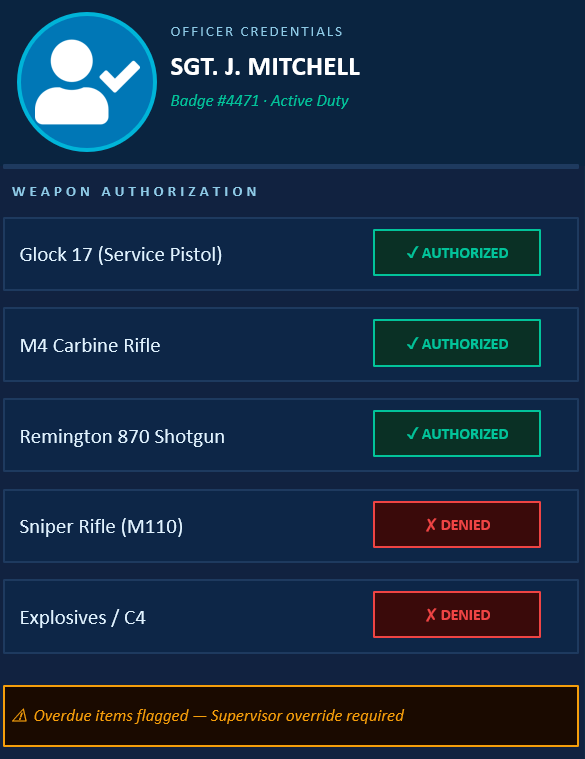
Who can access what? And are they even allowed to have it? The armory management systems handle that automatically. They link directly to personnel records, checking qualifications and any restrictions before allowing access to specific items. This stops someone who isn’t trained or authorized from picking up a firearm they shouldn’t have. It’s all about making sure the right people have the right gear, safely.
Biometric scanners for secure entry.
Automatic checks for training and certifications.
Logs who accessed the armory and when.
Comprehensive Audit Trails And Reporting
Every single action taken within the system is recorded. From who checked out a weapon to when it was returned, and even maintenance history. This creates a detailed history, or audit trail, for everything. If there’s ever a question or an investigation, you have the records to back you up. Plus, armory management systems can generate reports on inventory levels, usage patterns, and compliance status, which is super helpful for planning and making smart decisions about future needs.
|
Report Type |
Description |
Frequency |
|---|---|---|
|
Inventory Status |
Current count of all items. |
Daily |
|
Equipment Checkout/Return |
History of item movements. |
As needed |
|
Maintenance Schedule |
Upcoming and past service dates. |
Monthly |
Overcoming Common Armory Management Systems Obstacles
Let’s be real, running an armory isn’t always smooth sailing. There are definitely some hurdles that can trip you up, whether you’re dealing with a small department or a larger operation. The biggest headaches often come down to a few key areas: keeping track of everything, making sure only the right people get their hands on gear, and staying on the right side of all those rules and regulations. It’s a lot to juggle, and when things go wrong, the consequences can be pretty serious.
Strategies For Addressing Budget Constraints
Money is always a factor, right? Many places struggle because they think advanced systems are just too expensive. But here’s the thing: sticking with old, manual tracking methods can actually cost more in the long run. Think about the time your staff spends doing paperwork instead of other important tasks, or the cost of replacing lost or misplaced equipment. Investing in a good system can pay for itself.
Look for grants and funding opportunities: Don’t assume the budget is set in stone. There might be state or federal grants available for security upgrades.
Prioritize features: You don’t always need the most expensive, bells-and-whistles system right away. Start with the core features that address your biggest pain points, like real-time tracking and access control.
Consider phased implementation: Roll out the system in stages. This can make the initial cost more manageable and allows your team to get used to the new technology gradually.
Sometimes, the most cost-effective solution isn’t the cheapest one upfront. It’s about finding technology that saves you time, reduces errors, and prevents costly mistakes down the line. Think of it as an investment in efficiency and security.
Ensuring Compliance With Evolving Regulations
Staying up-to-date with firearm laws and regulations feels like a full-time job on its own. Rules change, and keeping accurate records to prove you’re following them can be a nightmare with paper logs. This is where technology really shines. A good armory management systems can automate a lot of the record-keeping and reporting needed for compliance checks. It helps you track maintenance schedules, who has what equipment, and when it’s due back, all of which are vital for audits.
Mitigating Security Concerns And Unauthorized Access
This is probably the most obvious challenge. You absolutely need to know who is accessing the armory and what they’re taking. Manual sign-in sheets are easily faked or overlooked. Modern armory management systems use things like biometric scanners or key card access, linked directly to the weapon tracking software. This means you have a clear, digital record of every single entry and exit. Plus, real-time alerts can notify you if something seems off, like a door being opened at an unusual hour or an attempt to access the armory by someone not on the approved list. It’s about creating layers of security that are hard to bypass.
Best Practices For Armory Management Success
Implementing Regular Training And Workshops
Keeping your team sharp on how to use the armory management systems is a big deal. It’s not just about knowing where the buttons are; it’s about making sure everyone understands why certain procedures are in place. Think of it like this: if you don’t practice fire drills, you might not remember what to do when the alarm actually goes off. The same applies here. Regular sessions, maybe quarterly, can cover everything from checking gear in and out correctly to understanding the reporting features. This helps build a culture where everyone feels responsible for the armory’s integrity.
Prioritizing Maintenance And System Upkeep
Nobody likes dealing with broken equipment, right? The same goes for your armory. Weapons need regular cleaning and checks, but don’t forget the management system itself. Software updates are important, and so is making sure any hardware, like scanners or access panels, is in good working order. A armory management systems that’s always glitching or down for repairs isn’t much help when you need it most. It’s about keeping things running smoothly so you can focus on the job.
Here’s a quick look at what maintenance might involve:
Weapon Servicing: Scheduled inspections and cleaning based on usage and manufacturer guidelines.
System Software: Applying updates and patches to fix bugs and add new features.
Hardware Checks: Testing scanners, printers, and any physical access controls.
Data Backups: Regularly backing up your armory data to prevent loss.
Leveraging Data For Strategic Decision-Making
This is where things get really interesting. Your armory management system collects a ton of information – what gear is checked out, who has it, when it’s due back, maintenance schedules, and more. Instead of just letting that data sit there, you can actually use it to make smarter choices. For example, if you see a particular type of equipment is always checked out for specific training exercises, you might want to ensure you have enough of it on hand. Or, if certain weapons are due for maintenance more often than others, it might point to a need for different models or better storage conditions.
The real power of a good armory management system isn’t just in tracking what you have, but in understanding how it’s used. This insight helps you plan better, spend smarter, and keep your operations running without a hitch. It turns a simple inventory list into a strategic tool.
Here’s a simple breakdown of how data can help:
Inventory Optimization: Identify underused or overused assets.
Budget Planning: Predict future equipment needs and maintenance costs.
Training Needs: Spot trends in equipment usage that might inform training programs.
Compliance Monitoring: Use reports to easily verify adherence to regulations.
Transforming Operations With Armory Management Software
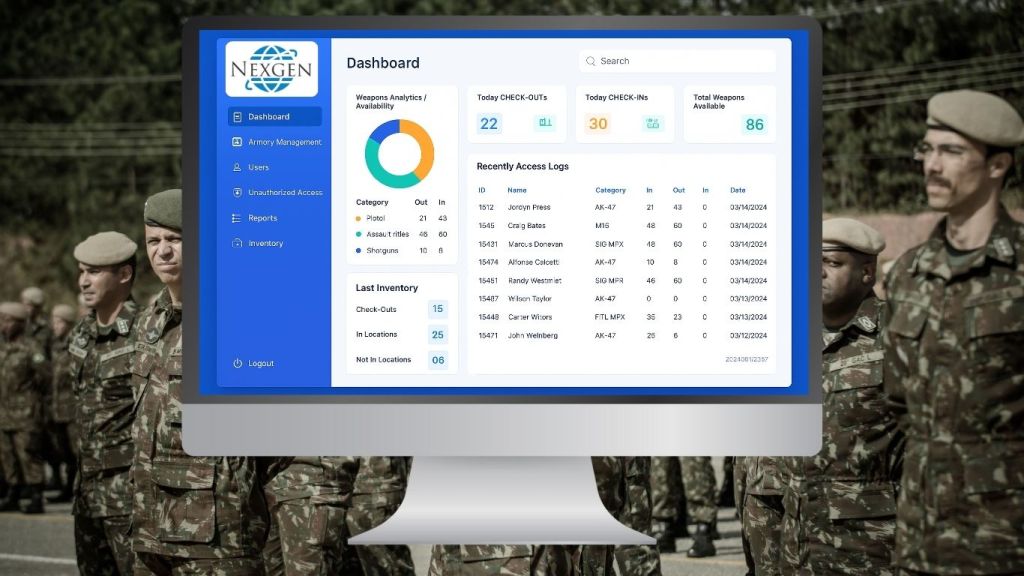
Moving your armory from old-school methods to a modern armory management software system can really change how things get done. It’s not just about having a fancier computer program; it’s about making everything smoother, safer, and more accountable. Think about it: no more digging through piles of paper or trying to remember who borrowed what. This kind of software brings a whole new level of order.
Streamlining Inventory and Issue Processes
Forget the days of manual check-in and check-out sheets. Armory management systems software automates these tasks, making the whole process quick and easy. When an item is needed, it can be logged out with a few clicks or a quick scan. When it comes back, it’s just as simple to log it in. This means less time spent on paperwork and more time for actual work.
Real-time tracking: Know exactly where every piece of equipment is at any moment.
Automated notifications: Get alerts when items are overdue or need maintenance.
Digital logs: All transactions are recorded instantly, creating a clear history.
Improving Accountability and Reducing Losses
When everything is tracked digitally, it’s much harder for things to go missing. The armory management software creates a clear chain of custody for every item. If something is misplaced, the system can help pinpoint when and by whom it was last accessed. This level of real-time accountability is a big deal for preventing theft and loss.
The shift to digital armory tracking means that every movement of an asset is logged. This creates a clear record, making it easier to identify discrepancies and hold individuals responsible, which in turn significantly cuts down on inventory shrinkage.
Achieving Enhanced Security and Compliance
Security is a top priority, and armory management systems software helps with that too. Access can be controlled based on user roles and qualifications, making sure only authorized personnel can check out specific items. Plus, the system keeps detailed records that are vital for meeting regulatory requirements. This makes audits a lot less stressful.
Here’s a quick look at how it helps:
Controlled Access: Only qualified individuals can access certain equipment.
Audit Trails: Every action is recorded, providing a complete history for compliance checks.
Status Updates: Equipment status (e.g., in repair, ready for issue) is always up-to-date.
Conclusion
So, look, managing an armory isn’t exactly a walk in the park. There are a lot of moving parts, and keeping track of everything manually? It’s a recipe for headaches, honestly. But the good news is, we’ve got tools now that can really make a difference. Think less paperwork, fewer mistakes, and a much clearer picture of where everything is. By getting a handle on these systems, you’re not just making your job easier, you’re also making things safer and more by the book. It’s about being smarter with your resources and making sure your team has what it needs, when it needs it, without all the usual fuss.